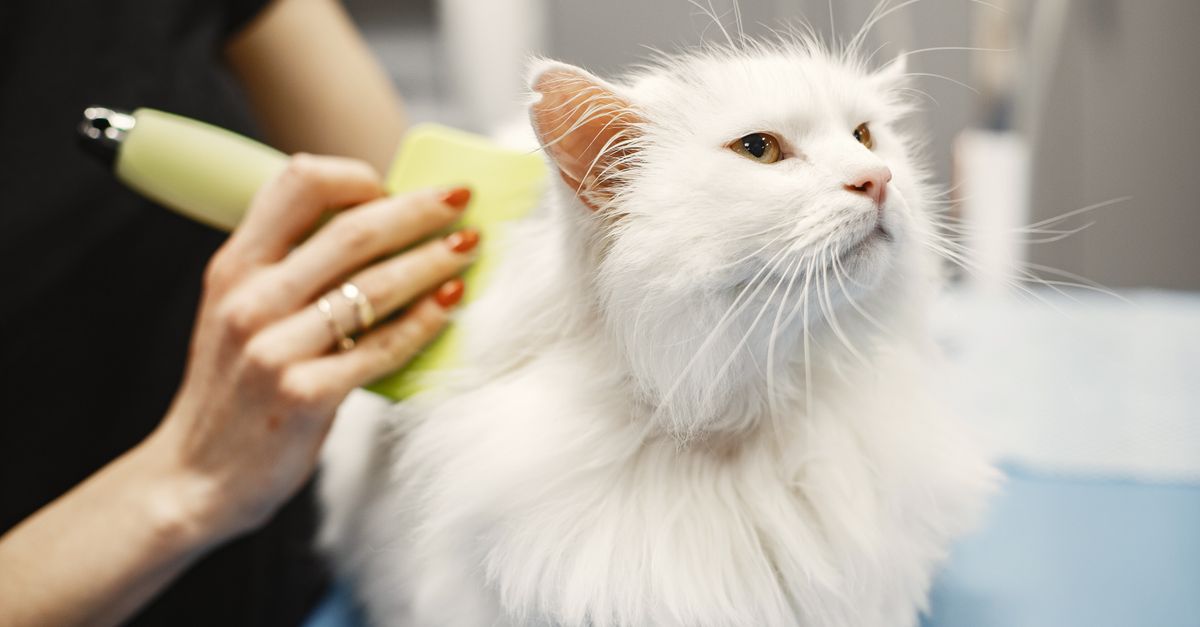
I’m a full‑stack developer turned entrepreneur who’s spent the past decade building systems that streamline everyday tasks. When it comes to my own pets—two dogs, one poodle mix, and the occasional cat visit—I’ve learned that choosing the right grooming appointment or boarding facility is as critical as picking the right code stack for an app. Below I break down what I look at, how I evaluate options, and practical steps you can use to make a confident decision.
Understanding the Services Landscape
Pet care services come in many flavors: basic grooming shops, boutique salons, luxury boarding suites, climate‑controlled kennels, and pet daycares that operate like mini‑schools. Each type serves distinct needs, yet they often overlap in pricing, amenities, and marketing claims. For example, a “luxury cat boarding” facility might advertise plush beds but still use the same cleaning protocols as a budget kennel.
When I’m researching options, I start by mapping out what I need: is it a one‑time grooming appointment, a week‑long stay for vacation, or a daily daycare while I work? Identifying the service category narrows the field and helps me focus on relevant criteria such as staff expertise, temperature control, or proximity.
It’s also helpful to differentiate between chain establishments and independent shops. Chains often have standardized procedures and brand guarantees, but they can feel impersonal. Independent salons may offer a more personalized experience and flexible scheduling, though their reputation depends heavily on individual staff members.
Key Factors for Pet Grooming Appointments
Grooming appointments are often scheduled around convenience, but the quality of care hinges on more than just a free slot. I evaluate each potential provider using the following checklist:
Checklist: What to Look For in a Grooming Appointment
- Licensed and Experienced Staff. Verify credentials; experienced groomers know how to handle anxious pets.
- Equipment and Hygiene Standards. Clean clippers, sterilized tools, and proper waste disposal reduce infection risk.
- Special Services Offered. Bathing, nail trimming, ear cleaning—make sure the provider can meet your pet’s specific needs.
- Transparent Pricing. No hidden fees for additional services or emergency care.
- Customer Reviews and References. Look for consistent praise on grooming quality and customer service.
In my experience, a grooming shop that consistently follows a standardized cleaning protocol not only keeps pets healthy but also builds trust with owners. I’ve seen how small details—like a clean waiting area or friendly greeting—can make the difference between a one‑time client and a repeat customer.
I also pay close attention to the groomer’s communication style. A good professional will explain each step, ask about medical conditions, and recommend routine grooming schedules based on coat type. This level of engagement signals that they care about more than just finishing a job quickly.
While the checklist covers the essentials, real‑world experience reminds me that the atmosphere of a grooming shop can influence a pet’s stress level. A quiet environment with soothing music and minimal bright lights often keeps dogs calm, whereas a busy salon full of loud clippers may exacerbate anxiety.
Scheduling and Follow‑up
Once you’ve selected a provider, consider how they handle scheduling and follow‑up communication. Reliable groomers offer flexible booking windows, send reminders a day before the appointment, and provide post‑service updates such as photos of the finished cut or notes about any issues observed during grooming.
Evaluating Cat Boarding Options
Choosing a boarding facility for your cat involves assessing both physical environment and staff interaction. I typically compare three categories: standard pet boarding, professional cat boarding, and luxury cat boarding.
Standard Pet Boarding often shares spaces with dogs or other animals, which can be stressful for a cat. The focus is usually on basic safety rather than enrichment.
Professional Cat Boarding facilities specialize in feline care. They offer separate rooms, quiet areas, and staff trained to handle cats’ unique behaviors. These centers often provide webcams so owners can check in.
Luxury Cat Boarding takes it a step further with premium amenities—plush bedding, interactive toys, private playrooms, and sometimes even spa services. While the price is higher, many owners feel their cat receives more personalized attention.
Key Indicators of Quality in Cat Boarding Facilities
- Space per Animal. A minimum of 10 sq ft per cat reduces stress and promotes movement.
- Temperature Control. Climate‑controlled rooms keep cats comfortable year-round.
- Enrichment Programs. Scheduled play sessions or puzzle toys encourage natural behaviors.
- Staff Ratios. A 1:5 cat-to-staff ratio allows for individualized care.
- Emergency Protocols. Quick access to veterinary services in case of illness.
- Litter Box Management. Regular cleaning and a sufficient number of litter boxes per cat prevent accidents and maintain hygiene.
In addition to these indicators, I look for evidence that the facility partners with local veterinarians. A clear line of communication ensures any health issues are addressed promptly and professionally. Some boarding houses also provide on‑site first aid kits and basic medication supplies; while not a substitute for a vet visit, it shows preparedness.
When comparing boarding facilities, pay close attention to daily routines—feeding times, litter box maintenance, and play schedules. Consistency in these habits can reduce a cat’s stress and help you trust that your pet will receive the same level of care as when it returns home.
Climate Control and Proximity Considerations
Temperature fluctuations can affect a cat’s health, especially during hot summers or cold winters. Facilities that maintain steady indoor climates reduce the risk of heatstroke or hypothermia. I look for HVAC systems with temperature logs—some modern centers even provide real‑time data via apps.
Proximity matters too. A boarding facility within 5 miles is ideal for quick pick‑ups, especially if your cat has a medical condition that requires frequent monitoring. Pet daycares near you also offer the benefit of daily socialization without the commitment of overnight stays.
Assessing Local Options Quickly
- Use GPS mapping tools to calculate travel time from home or work.
- Call ahead and ask about walk‑throughs for safety checks.
- Request a visit before booking to see the environment firsthand.
- Check if they allow owners to bring personal items like food bowls or blankets.
Many modern centers now publish temperature and humidity data accessible via a mobile app or printed logbook. Checking these records before booking can confirm that the facility consistently maintains safe indoor conditions, especially during extreme seasons.
Cost, Value, and Common Mistakes
Price is often the first barrier, but it’s rarely the sole determinant of quality. I compare cost per day against the services offered—room type, staff interaction, enrichment, and climate control. A higher upfront fee can translate into lower health risks and peace of mind.
Common mistakes people make include:
Top 5 Mistakes When Choosing Pet Boarding
- Assuming “luxury” means better care without verifying staff qualifications.
- Choosing the nearest option simply because it’s convenient.
- Overlooking hidden fees for medical emergencies or extra amenities.
- Ignoring online reviews that mention safety incidents.
- Booking during peak seasons when facilities are overcrowded.
To avoid these pitfalls, I set a budget but prioritize certifications and real‑time monitoring capabilities. I also schedule a test stay of one night to evaluate the environment before committing to longer trips.
Vaccination & Health Checks Before Boarding
Before your cat goes into a boarding house, ensure its vaccinations are up to date—especially rabies, feline calicivirus, and panleukopenia. Most reputable facilities require proof of recent shots or a vet’s clearance form. This step protects not only your pet but also the other animals on board.
Personal Tech-Driven Decision Making
I integrate data analysis into my pet care decisions just as I do for app development. Using a simple spreadsheet, I track each provider’s ratings, cost per day, and distance from home. I assign weights—staff expertise (30%), climate control (25%), proximity (20%), price (15%), and enrichment (10%)—and calculate an overall score.
When I tested this approach on a recent cat boarding search, the facility that scored highest in staff training and temperature monitoring ended up being the most reliable, even though it wasn’t the cheapest. The data helped me justify the higher fee to my wife, who appreciates clear justification for expenses. The most critical factor is the staff’s familiarity with your pet’s specific needs; this often outweighs price or luxury branding.By applying a structured evaluation and leveraging simple tech tools, I consistently find boarding facilities that meet both my safety standards and budget constraints.
Practical Steps to Verify Your Choice
- Schedule an In‑Person Visit: Even if you’re satisfied with online reviews, seeing the space firsthand confirms cleanliness and layout.
- Ask About Staff Credentials: Request copies of certifications or proof of ongoing training. Experienced staff are often willing to share this information.
- Observe Interaction with Other Pets: Watch how staff handle a nervous cat in the waiting area; calm, gentle handling is a good sign.
- Request a Sample Stay: Many boarding houses offer a “trial night” at a reduced rate. Use this to gauge your cat’s comfort and the facility’s routines.
- Review the Emergency Protocol: Confirm that they have clear procedures for illness, injury, or unexpected weather changes.
- Check Pricing Transparency: Ask for a full list of fees—daily rates, grooming add‑ons, medication charges, and any overtime costs.
Conclusion: Making the Right Choice Matters
Your pet’s well‑being depends on more than just a convenient appointment. By systematically evaluating staff expertise, environmental controls, enrichment options, and transparent pricing—and by applying a data‑driven scoring system—you can reduce uncertainty and ensure your furry friend receives the best possible care. Whether you’re scheduling a quick trim or planning a week‑long vacation, taking these extra steps will give you confidence that your pet is in safe hands.
What criteria do you prioritize when choosing a pet grooming appointment or cat boarding service?