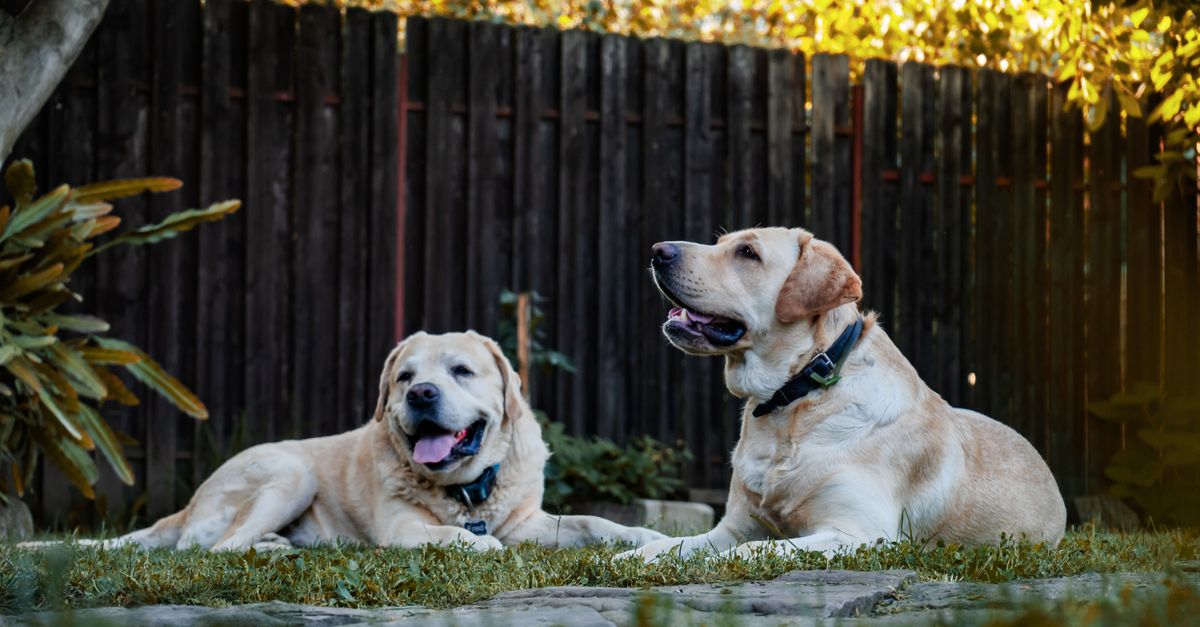
The decision to hand your dog over to a social daycare is bigger than it feels. It’s about safety, health, training, and the daily joy you want for your pet while you’re away. Below I break down exactly what to ask, check, and compare so you can pick a place that keeps tails wagging and owners satisfied.
What Is Social Dog Daycare?
A social dog daycare is a facility where dogs spend the day in a supervised group environment. Unlike pet hotels that provide overnight boarding, daycares focus on exercise, mental stimulation, and interaction with other dogs. They usually operate during normal business hours, offering playtime, training sessions, and sometimes grooming or basic medical checks.
For owners who need to balance work, travel, or household chores, a reputable daycare can be a lifeline that keeps a dog’s routine intact while reducing the risk of behavioral problems stemming from boredom or isolation.
Key Features & Standards
When scouting potential daycares, look for these seven essential traits. Each one signals a level of professionalism and care that matters to your dog's well‑being.
1. Certified Staff
Staff should hold pet first aid or veterinary assistant certifications and have documented experience with canine behavior. Ask about the number of years each team member has worked in animal care, whether they’ve completed any advanced courses like Canine Good Citizen (CGC) training, and how often they update their knowledge.
2. Clean, Secure Environment
Cleanliness is non‑negotiable—regular sanitation schedules, separate play areas for small/large dogs, and secure fencing prevent escape or injury. Look for visible cleaning logs, daily disinfectant usage records, and a dedicated space for hand sanitizing that’s easily accessible to both staff and visitors.
3. Structured Playtime
Facilities that schedule supervised group play, alongside individual quiet time, show a balanced approach to socialization. Notice how the staff orchestrates transitions between activity zones, ensuring dogs don’t become overstimulated or left out of the group dynamics.
4. Health Screening Protocols
Daily checks for signs of illness, vaccination records, and quarantine rules reduce disease transmission risks. A good daycare will also have a protocol for handling sudden fevers or injuries—quick isolation, immediate veterinary contact, and clear documentation.
5. Transparent Pricing
A clear fee structure—no hidden charges for grooming or extra exercise—helps avoid surprises on billing day. Some daycares offer tiered packages (basic play vs. premium with training), so ask if discounts apply for multiple days or long‑term contracts.
6. Positive Training Philosophy
Daycares that use reward‑based training, not punishment, promote confidence and reduce aggression. Observe how staff handle a dog that’s shy or overly energetic; a calm, patient approach usually results in better outcomes for both the animal and the owner.
7. Communication Tools
Regular updates via text or an app let you track your dog’s mood and activity levels in real time. Some facilities also provide photo uploads or video snippets so you can see how your pet is interacting with peers during the day.
The single most important factor is staff experience with canine behavior; a knowledgeable team can prevent fights, anxiety, and health issues before they start.Safety & Hygiene Checks
A well‑maintained environment keeps both dogs and owners worry free. Verify that the facility follows these four hygiene practices.
1. Daily Cleaning Schedule
Check for a written routine that includes disinfecting play mats, feeding bowls, and bathroom areas after each session. Ask how many times per day cleaning occurs and whether any natural or pet‑safe disinfectants are used.
2. Proper Waste Management
Facilities should have separate waste bags or bins to prevent fecal contamination of play spaces. Look for a clear system that disposes of waste outside the main activity areas and uses biodegradable options when possible.
3. Ventilation & Temperature Control
Good airflow reduces the spread of airborne pathogens and keeps dogs comfortable during hot Las Vegas summers. Inspect whether there is an HVAC system or at least fans, how often windows are opened for fresh air, and if shaded areas exist for resting.
4. First‑Aid Kits & Emergency Plans
Ask to see a stocked kit, staff training records, and clear evacuation routes in case of fire or severe weather. A good daycare will also have a designated emergency contact list on hand, including the nearest veterinary clinic.
Staff Qualifications & Training
Beyond certifications, look for ongoing education. Staff that attends local canine behavior workshops or veterinary seminars are likely up‑to‑date on best practices. In my experience, a team that continually learns is the one that adapts quickly when a new dog arrives with unique needs.
Activity & Nutrition Plan
A balanced day includes physical exercise, mental stimulation, and proper feeding. Ensure the daycare offers:
1. Structured Play Sessions
Timed group play that matches your dog's energy level. Ask how long each session lasts, whether it’s divided into short bursts or a continuous block, and if there are designated “quiet zones” for dogs that need downtime.
2. Individual Exercise Time
Walks or agility drills for dogs who need more focused activity. Some daycares provide small‑group hikes in nearby parks or obstacle courses tailored to different skill levels.
3. Puzzle Toys & Training Games
These keep dogs mentally engaged and reduce destructive behavior. Look for a variety of toys—food dispensers, scent trails, and interactive games that challenge both mind and body.
4. Calm Rest Areas
Quiet corners with bedding where anxious dogs can retreat. A good facility will have separate resting spots free from loud play noises.
5. Daily Feeding Schedules
Facilities should use a consistent feeding routine that matches your dog's diet plan. Verify whether the staff knows about any dietary restrictions, allergies, or special meal times you’ve instructed them to follow.
6. Water & Hydration Stations
Fresh water accessible at all times, especially during hot days. Some daycares provide automatic water dispensers that refill throughout the day, ensuring no dog goes dehydrated.
Pricing Models & Value Assessment
Daycare rates vary by location, services offered, and dog size. Typical pricing in Las Vegas ranges from $25 to $45 per day for a medium‑sized dog. Compare the following factors:
- Included Services: Does the fee cover grooming, basic medical checks, or extra playtime?
- Size & Age Limits: Some facilities have caps on dog weight or restrict puppies under a certain age.
- Cancellation Policy: Flexibility in rescheduling can save money if plans change.
If you’re looking for a more tailored approach, ask whether the daycare offers premium packages. These might include daily training sessions, extended playtime, or priority booking during holidays—each at an additional cost but often justified by the extra attention and structured care.
How to Visit & Evaluate
A site visit is essential. Use this checklist to gauge quality quickly.
1. Observe Dog Behavior
Watch how dogs interact—are they playful, or do fights break out? Notice if the staff intervenes calmly and if the dogs appear relaxed after a session.
2. Inspect Facilities
Check cleanliness of kennels, play areas, and staff offices. Look for sturdy fencing, well‑maintained flooring, and clear signage for emergency exits.
3. Meet the Staff
Ask about training experience and how they handle emergencies. A good team will be transparent about their qualifications and eager to answer questions.
4. Review Health Records
Verify vaccination logs and current health status of dogs on-site. Ask if the daycare requires a recent vet check‑up or proof of up‑to‑date shots before admission.
5. Test Communication Tools
Request a sample daily update to see if the system works smoothly. A reliable platform will send you timely photos, activity summaries, and any concerns that arise during the day.
6. Discuss Your Dog’s Needs
Explain any medical conditions or behavior quirks; a good daycare will tailor care accordingly. For example, if your dog has anxiety around other dogs, ask how they manage such situations without causing stress.
In my experience, the facility that had the most detailed daily logs and sent me an hourly photo of my dog’s play session was also the one with staff who took the time to explain every protocol.Common Mistakes Pet Owners Make
Many owners pick a daycare based solely on price or proximity, overlooking critical factors like staff qualifications and health protocols. Others assume “any” dog will fit anywhere—ignoring breed‑specific needs for exercise or temperament. Finally, some neglect to test the facility with a trial day before committing long term.
To avoid these pitfalls, always prioritize quality over cost, schedule an initial visit, and communicate openly about your dog's unique requirements.
Alternatives: In‑home Care vs Hotel
If a daycare doesn’t feel right, consider in‑home pet sitters or pet hotels. Sitters offer one‑to‑one attention, but may not provide structured exercise. Hotels can accommodate overnight stays and sometimes include grooming services, but they’re typically pricier than daycares.
Choosing the right option depends on your dog's personality, your budget, and how much supervision you need while away. A calm, moderate‑energy dog might thrive in a sitter’s home, while an energetic breed may benefit from the social stimulation of a reputable daycare or hotel that offers daily exercise routines.
What’s the most important factor for you when selecting a dog daycare?